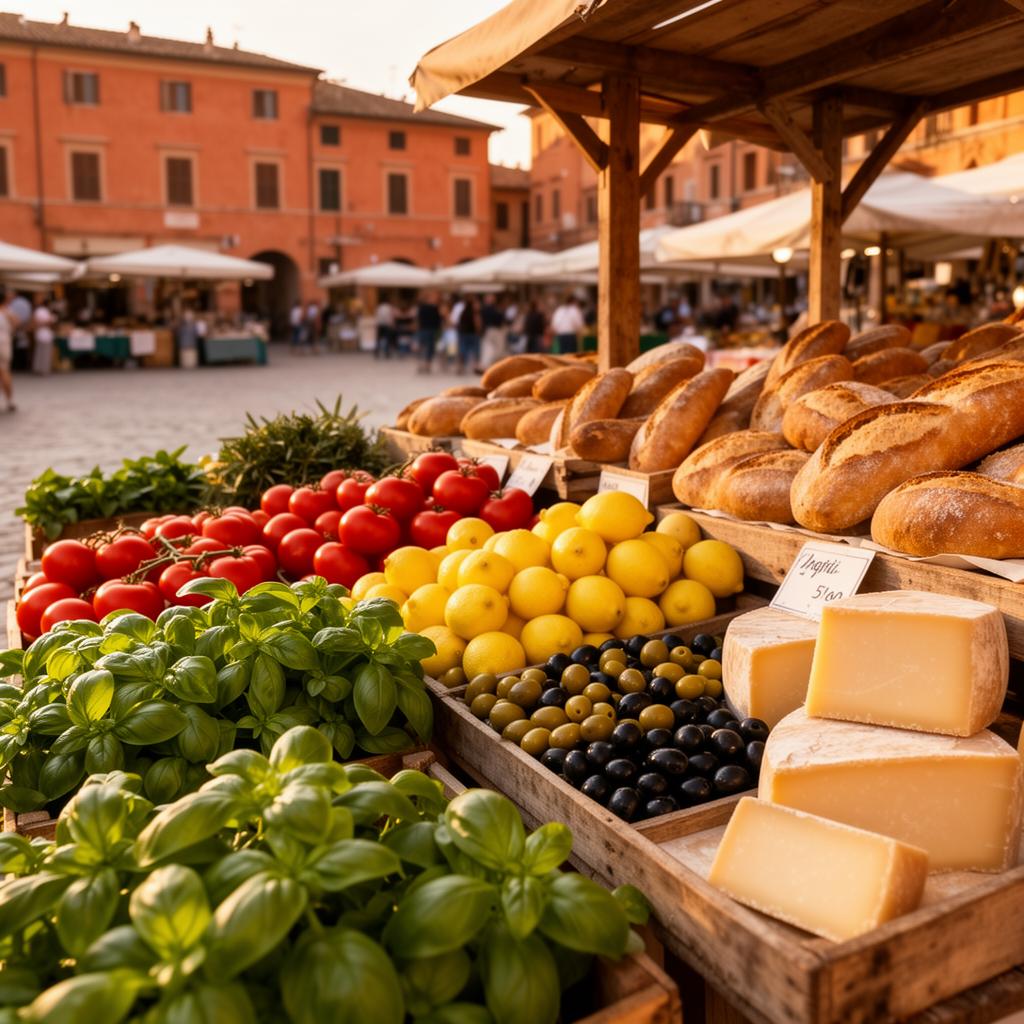
I spent my first week in Milan genuinely confused. An espresso at the bar cost €1.20. The same espresso sitting down cost €3.50. The supermarket near my flat charged me €0.22 for a bag. The one two streets over gave them free. A restaurant charged me €2.50 for bread I did not order. Another gave me bruschetta for free before my meal. Italy has its own logic when it comes to money — and once you understand it, it actually makes sense.
If you are weighing the cost of living Italy 2026 before making the move, here is the truth nobody tells you upfront: Italy has a layered system of VAT rates (called IVA — Imposta sul Valore Aggiunto) that quietly shapes almost everything you buy. Different products and services are taxed at dramatically different rates. As an expat, understanding the Italy VAT rates expat reality helps you:
- Understand why prices seem inconsistent
- Know when you are being overcharged
- Make smarter spending decisions
- Understand what is legal and what is not
IVA — Italy's VAT System Explained Simply
There are four rates worth knowing. Memorise them and your receipts start making sense.
22% — The Standard Rate. This is what applies to most things. Electronics, clothing, alcohol, tobacco, gym memberships, most services, software, cars. If in doubt, assume 22%. On a €100 item, €17.21 is VAT (the math: price includes VAT so VAT = price × 22/122).
10% — The Tourism and Food Rate. Restaurants, hotels, most prepared food, medicines without prescription, domestic energy (gas and electricity), concerts, theatre tickets, museum entry, passenger transport by taxi or bus. This is the rate that keeps Italy's hospitality sector competitive.
5% — The Social Rate. Some staple foods, infant formula and baby food, some medical devices, certain social and healthcare services. A relatively new rate introduced to give extra relief on essential items.
4% — The Essential Rate. Fresh bread, fresh milk, fresh fruit and vegetables, eggs, dried pasta, rice, olive oil, books (printed and e-books), newspapers, magazines, TV licence, products for disabled people. The things Italy decided nobody should pay full tax on.
0% — Exempt. Certain healthcare services, educational services, financial services, insurance, some public transport. You do not pay IVA on these.
Quick shopping example. You drop €50 at the supermarket on pasta, bread, milk, olive oil, parmesan, prosciutto and a bottle of Chianti. The pasta, bread, milk and oil sit at 4%. The parmesan and prosciutto at 10%. The Chianti at 22%. One receipt, three tax rates. Welcome to Italy supermarket taxes.
At the Restaurant — What You Are Actually Paying
Sound complicated? It is. But here is the logic.
When you eat at a restaurant in Italy, your food and non-alcoholic drinks are taxed at 10% IVA. Alcoholic beverages are taxed at 22%. So on the same table, different items on your bill carry different VAT rates. Your carbonara: 10%. Your glass of wine: 22%. Your bottle of water: 10%. That is the IVA Italy restaurants rule in one sentence.
Now the famous one: the coperto.
The coperto Italy legal question comes up constantly with newcomers. Yes — completely legal. It is a per-person charge that appears on Italian restaurant bills, typically €1.50 to €4 in regular spots, up to €8-10 in tourist zones. It covers bread, table linen, and the privilege of sitting down. The restaurant must display it on the menu. If it is not on the menu, they cannot charge it.
The coperto is not a service charge. Tipping in Italy is genuinely optional — 10% is generous if you feel like it, rounding up the bill is common, and leaving nothing is perfectly acceptable and happens all the time. Do not feel guilty.
What is NOT legal: charging you for items you did not order and did not consume, slapping on a coperto that is not listed on the menu, or adding a "service charge" percentage on top of everything without displaying it clearly. If it happens, you push back. Politely. In Italian if you can manage it.
Real 2026 prices to calibrate your expectations:
- Espresso at the bar: €1.20-1.50 (standing, which is the Italian way)
- Espresso sitting down: €2.50-4.00 (the sitting tax — unofficial but universal)
- Pizza at a regular pizzeria: €8-14
- Pizza in a tourist area near the Colosseum or Rialto: €18-28
- Aperitivo with snacks: €8-14 (Milan aperitivo culture often includes a buffet)
- House wine per glass at a trattoria: €3-5
- Bottle of local wine at a restaurant: €15-35
- Tourist trap near major monuments: multiply everything by 2-3
At the Supermarket — Understanding the Price Tags
Your receipt tells a story. Fresh pasta (4%), canned tomatoes (4%), olive oil (4%), bread (4%) — the basics are cheap by design. But parmesan cheese (10%), prosciutto (10%), wine (22%), beer (22%), cleaning products (22%), shampoo (22%) — these add up faster than you would think.
Real 2026 supermarket price benchmarks:
- 1 litre of olive oil: €4-8 (4% VAT)
- 500g dried pasta: €0.80-2.50 (4% VAT)
- 1kg fresh bread: €2-4 (4% VAT)
- 1 litre fresh milk: €1.20-1.80 (4% VAT)
- 6 eggs: €1.80-3.50 (4% VAT)
- 200g parmesan: €4-7 (10% VAT)
- 100g prosciutto crudo: €3-5 (10% VAT)
- Bottle of Chianti (0.75l): €5-12 (22% VAT)
- Household cleaning products: 22% VAT
- Shampoo and toiletries: 22% VAT
The plastic bag thing. Since 2011 Italy charges for plastic bags — typically €0.10-0.25. Biodegradable produce bags in the vegetable section are included in the price of produce. Bring your own bags. Every Italian does.
Weekly grocery shop for one person cooking at home: €50-80 in northern cities, €40-65 in the south. That is real Italy daily expenses expat territory, not an estimate from a relocation brochure.
Fuel — The Most Taxed Item in Your Cart
Brace yourself. Italy fuel tax is brutal.
In 2026, petrol at the pump in Italy costs approximately €1.70-1.95 per litre depending on location and station. Of that, roughly:
- The actual fuel cost before any tax: approximately €0.45-0.55
- Excise duty (accisa): approximately €0.73 per litre for petrol, €0.62 for diesel — a fixed government tax
- IVA at 22% applied on top of everything, including the excise duty
That means roughly 55-65% of what you pay at an Italian petrol station is tax. This is not a secret — it is just rarely explained. The accisa rates have not changed significantly since the 1990s and include historical levies added during various crises (the Suez crisis levy still technically exists in Italian law — yes, really).
Practical note: autostrada (motorway) petrol stations charge approximately 15-25 cents more per litre than regular stations. Fill up before the motorway whenever possible.
Utilities — What to Expect on Your Bills
Here is what Italy utilities cost looks like in practice for a standard flat.
Electricity (luce). Italian electricity bills include IVA at 10% on consumption, plus various system charges (oneri di sistema) that fund renewable energy subsidies and network costs. A typical one-bedroom flat in northern Italy: €60-120/month depending on season and heating method. Air conditioning in summer adds significantly.
Gas (gas). Domestic gas is taxed at 10% IVA. Heating costs vary dramatically by region — northern Italy (Milan, Turin) heats heavily from October to April. Expect €80-200/month in winter for a 1-bed flat with gas heating. Southern Italy and coastal areas: much lower.
Water (acqua). Water bills in Italy are municipal — managed by local utilities. IVA at 10%. Typically €15-40 per month for a single person. Much cheaper than northern Europe.
Internet (internet fisso). 22% IVA. Standard fibre broadband in Italy: €25-40/month. Italy has significantly expanded its fibre network and most urban areas have very good connectivity.
Mobile phone (cellulare). 22% IVA on mobile contracts. A standard SIM with calls, SMS and 50-100GB data: €8-20/month. Italy has very competitive mobile prices — TIM, Vodafone, Wind Tre, and especially virtual operators like Iliad offer excellent value.
Transport Costs
Public transport. This is where Italy quietly wins.
- Milan monthly pass (ATM): €39 — one of the best value transport deals in any major European city (10% IVA)
- Rome monthly pass (ATAC): €35
- Turin monthly pass (GTT): €42
- Inter-city trains (Trenitalia, Italo): 10% IVA
Private transport. The bollo auto (vehicle road tax) is an annual regional tax on private vehicles — €150-400/year depending on engine size and region. Not IVA — a separate tax entirely. Car insurance: 22% IVA applies to the premium. Parking in Italian cities: €1.50-3.00/hour in blue zones, sometimes free in white zones, expensive in car parks (€2-5/hour).
Taxis. 22% IVA. Metered fares with supplements for luggage, night tariff, airport runs. Milan taxi from centre to Malpensa airport: approximately €90-100. Uber and similar apps operate in Italy but are heavily restricted — expect traditional taxis.
Healthcare Costs — Better Than You Think
Italy's SSN (public healthcare) is free at point of use once you are registered. But there are some costs worth knowing.
Ticket sanitario. Co-payments for specialist visits, diagnostic tests and prescriptions for people above the income exemption threshold. A specialist visit might cost €15-50 out of pocket. Prescriptions: €2-3 per package typically. These are IVA-exempt.
Private specialist visits. No IVA (healthcare is exempt). Costs: €80-200 for a consultation depending on specialty and city. Many expats use private specialists for faster access and English-speaking doctors while relying on SSN for hospitalisation.
Private health insurance. 22% IVA on premiums. Not mandatory but useful for faster specialist access. €50-150/month for reasonable coverage.
The Numbers Nobody Shows You — Monthly Budget Reality
Honest Milan living costs 2026 for three scenarios.
Minimum viable expat (shared flat, cooking at home, public transport):
- Rent share: €600-700
- Food: €250-350
- Transport pass: €39
- Utilities share: €80-100
- Phone: €15-20
- Occasional restaurant/aperitivo: €100-150
- Total: €1,084-1,320/month
Comfortable single expat (own flat, mix of eating out and cooking):
- Rent: €1,100-1,400
- Food (cooking + eating out): €400-600
- Transport pass: €39
- Utilities: €150-200
- Phone: €20
- Entertainment, gym, misc: €150-200
- Total: €1,859-2,459/month
Comfortable with quality of life (good neighbourhood, regular dining out):
- Rent: €1,500-2,000
- Food and dining: €600-900
- Transport: €39-100 (mix of public and occasional taxi)
- Utilities: €200-250
- Entertainment and culture: €200-300
- Total: €2,539-3,550/month
Smart Money Tips for Italy
- Always ask for the scontrino (receipt) — it is legally required. Businesses that do not give you a receipt are evading tax. You can actually be fined for leaving a shop without a receipt. Sounds extreme. Does happen.
- Compare petrol stations — prices vary by 10-20 cents per litre. Apps like Prezzi Benzina show real-time prices near you.
- Use the local market (mercato rionale) for fresh produce — cheaper than supermarkets and often much better quality. Every neighbourhood has one, usually Tuesday and Friday mornings.
- The aperitivo culture is your friend — in Milan especially, a €10-12 aperitivo often comes with a substantial food spread that counts as dinner. This is not budget travel — it is genuinely how Milanese socialise.
- Museum and cultural site costs — many Italian state museums are free on the first Sunday of each month. The Colosseum, Vatican, Uffizi all have queues — book online in advance to save time and sometimes money.
- If you have a commercialista, some expenses may be deductible — medical costs above €129/year get a 19% IRPEF deduction, which means keeping receipts for everything health-related saves real money at tax time.
Frequently Asked Questions
Stay Updated
Monthly EU salary and labor law updates
Free · No spam · Unsubscribe anytime